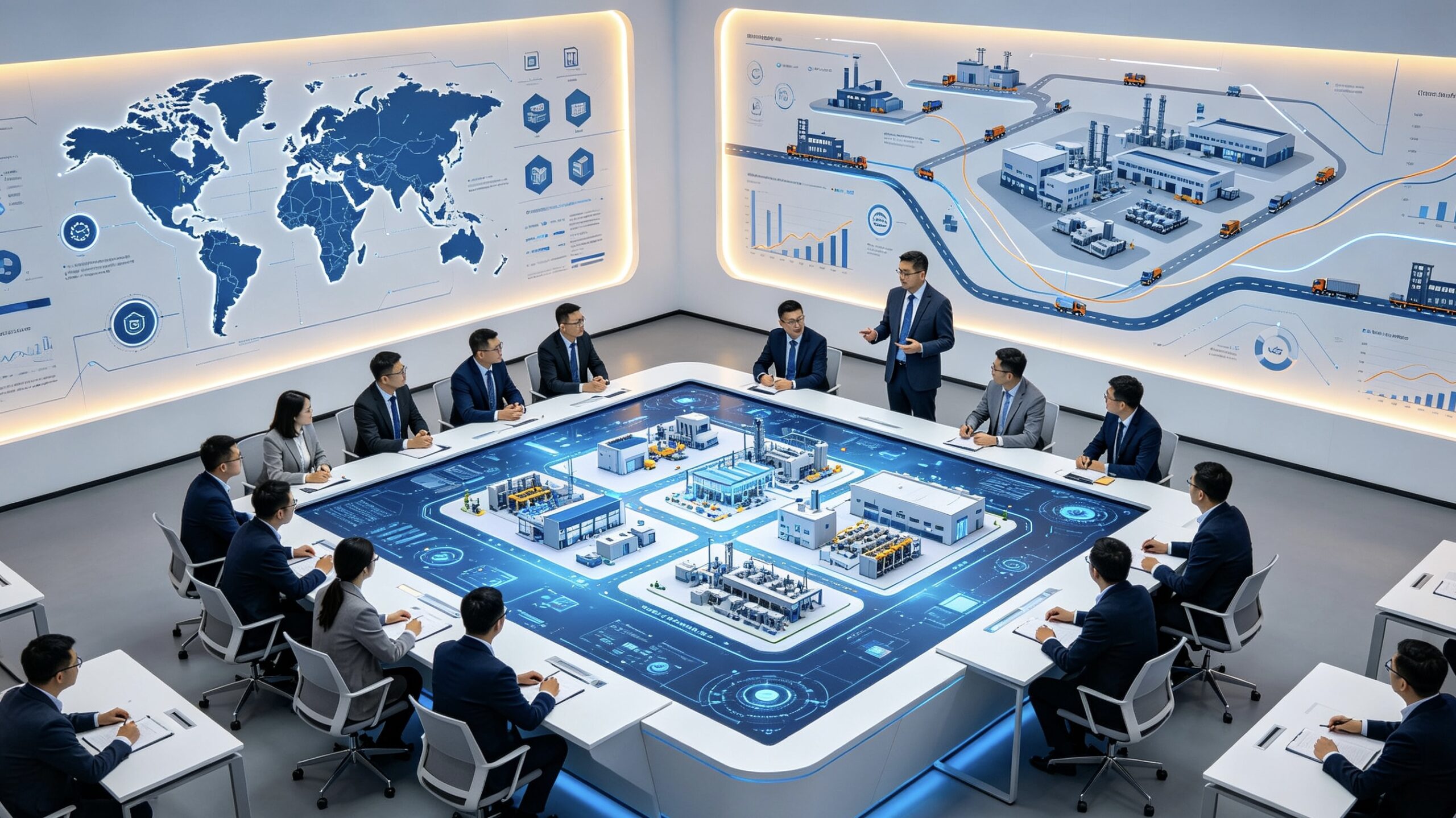
Maker-to-Market (M2) Bootcamp: GBA Edition
Turn Your Prototype into Product in 5 Days
Bringing a new product to market requires more than a strong idea—it demands an agile and well-structured supply chain, a deep understanding of market dynamics, access to world-class innovation ecosystems, and the right funding networks.
As new international innovation hubs continue to emerge, offering ventures opportunities to develop manufacturing and supply chain capabilities through strategic partnerships, founders must be equipped to navigate, assess, and leverage these ecosystems to support sustainable growth and scale.
The M2 Bootcamp is jointly powered by HKU Techno-Entrepreneurship Core (HKU TEC) and the Qianhai Shenzhen-Hong Kong Youth Innovation and Entrepreneur Hub (E-hub).
HKU TEC is the University of Hong Kong’s central hub for innovation and entrepreneurship — a proven platform that has supported hundreds of startups from concept to commercialization. The Qianhai Shenzhen-Hong Kong Youth Innovation and Entrepreneur Hub (E-hub) is one of the Greater Bay Area’s flagship innovation and entrepreneurship platforms, based in Qianhai, Shenzhen. It provides incubation space, industry connections, and landing support for startups expanding into the GBA and beyond.
Together, HKU TEC and the Qianhai Shenzhen-Hong Kong Youth Innovation and Entrepreneur Hub (E-hub) connect participants to a combined ecosystem that spans Hong Kong’s academic and research excellence and Shenzhen’s deep manufacturing and incubation infrastructure.
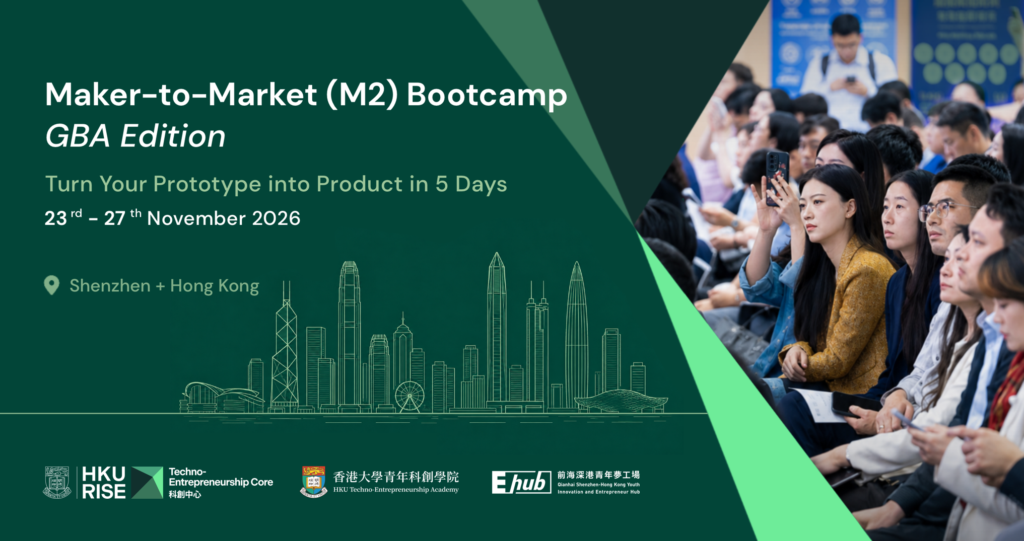
A Five-Day Immersive Experience in Shenzhen and Hong Kong
The programme is designed to help participants validate and de-risk decisions related to product development, manufacturing, and scaling—while building a globally competitive operation.
This 5-day intensive bootcamp empowers global product-ready startups to unlock the GBA’s world-class manufacturing and supply chain ecosystem. Purely practical, zero tour-style arrangements, the program features full-cycle practitioner training, verified factory access and direct decision-maker negotiations across Hong Kong and Shenzhen. Tailored one-on-one resource matching eliminates invalid industrial connections, helping overseas teams solve real pain points in costing, production and cross-border collaboration. Walk away with confirmed supplier partnerships, validated manufacturing solutions and actionable local scaling roadmaps.
What You Gain
The programme goes beyond theory to address the practical, often complex challenges that international founders encounter when manufacturing in China.
- Focuses on practical, real-world challenges international founders face when manufacturing in China
- Supply chain planning, evaluation, and partner selection
- Sourcing strategies and supplier specialization
- Risk assessment, audits, and building supply chain resilience
- Contracts and intellectual property considerations
- Working with manufacturers to finalize (“sign off”) products for production
- Supplier relationship management and defining local operational ownership
- Aligning supply chain strategy with overall business model and CRM policies
Real-World Exposure & High-Value Networks
Participants will have the opportunity to visit manufacturing facilities for on-site workshops and gain firsthand insights into how these facilities collaborate with ventures. The programme also includes curated networking events and engagement with experienced founders who have successfully scaled in Asia.
Through the Qianhai Shenzhen-Hong Kong Youth Innovation and Entrepreneur Hub (E-hub), participants gain additional access to Qianhai’s innovation ecosystem — including incubation facilities, industry partners, and landing support for teams considering establishing a presence in the GBA.
By the end of the programme, participants will leave with actionable partnerships, clear execution roadmaps, and continued access to the broader ecosystem.
Designed For
Startups and scale-ups in MedTech, HealthTech, hardware, robotics, AI, connected devices, and advanced manufacturing—particularly those looking to manufacture or explore market opportunities in Asia.
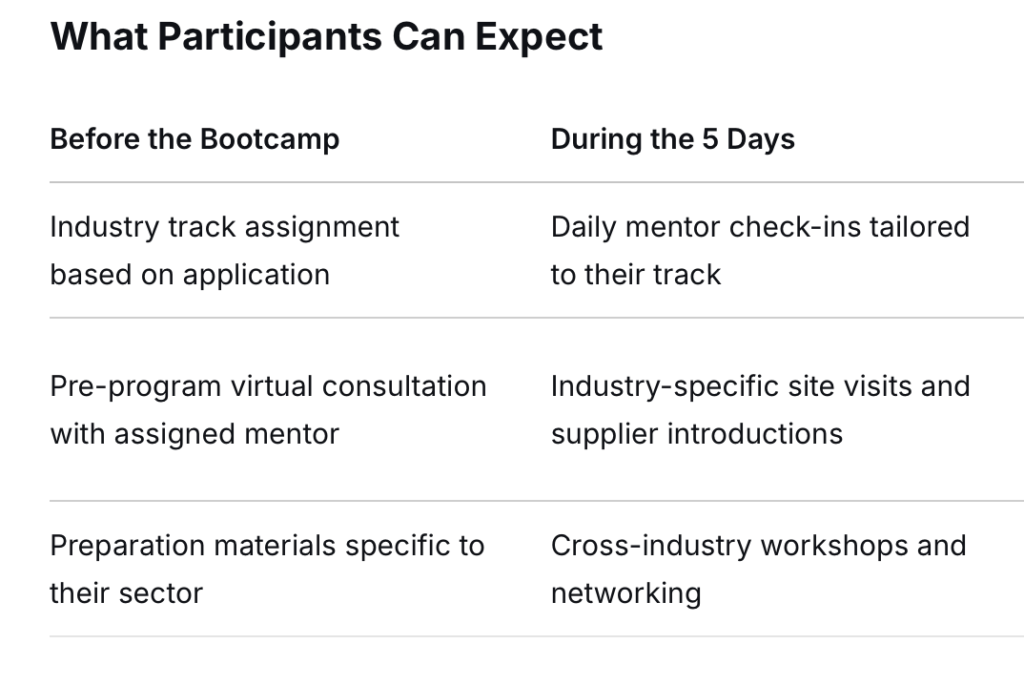
Upon acceptance into the bootcamp, participants are grouped into industry-specific tracks based on their product category and target market. Each track is curated to address the unique challenges and opportunities of that sector. A dedicated industry mentor, an experienced professional with deep domain expertise, is assigned to each track.

Program Fees
*All applicants are automatically evaluated for scholarships, merit pricing, and financial support during the admissions process.
Logistics & Support
- Programme delivered in English
- Accommodation, local transport, and most meals included
- Curated accommodation options available
- Visa support provided
- Post-programme ecosystem introductions and follow-up support

Important Information
Application deadline: November 15th, 2026
Limited places available
Given expected high demand, a selection process may be required, which could include application review and interview at a later stage.